
Skin health · November 2026
Winter Rash: Dry Skin, Eczema or a Fungal Infection?
Compare winter dry skin, eczema and fungal rash clues; find safe first steps, symptoms needing urgent help and when a pharmacist or clinician should assess you.
By ScanSkinAI Editorial Team ·
Source-based educational guidance. This edition has not yet undergone a clinician review.
Quick answer
Cold weather and indoor heating can aggravate dry skin and eczema, but not every winter rash is caused by dryness. A ring-shaped or spreading scaly patch can be fungal, and eczema can also form round patches. Pattern, history and professional assessment matter more than the season.
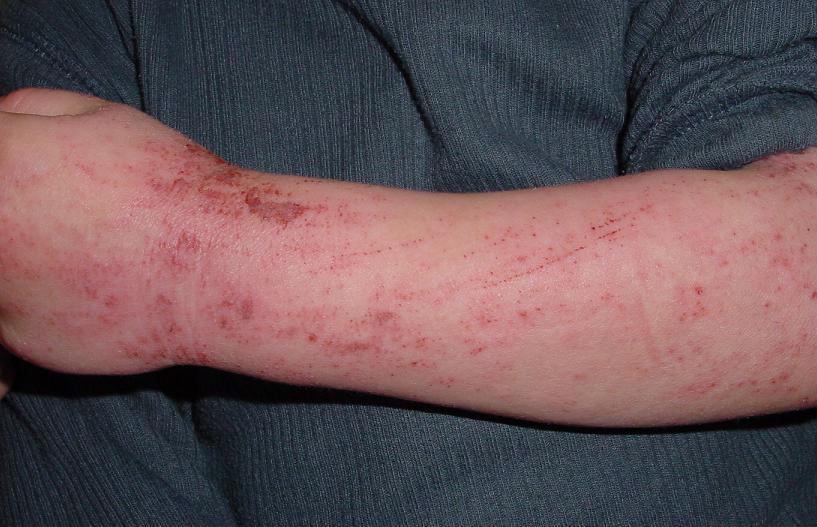
At a glance
Dry skin
Diffuse roughness or tightness; gentle care may help, but persistent symptoms need advice.
Eczema
Often itchy and recurrent; follow an established care plan, and check new infection signs.
Possible fungal rash
A spreading scaly edge or ring can be a clue; round eczema can look similar.
Why winter does not identify the cause
Dry air, indoor heating and frequent washing may leave the skin feeling tight, itchy or rough. People with eczema can experience flares as the skin barrier becomes irritated. These factors make dryness plausible, but the month of the year is not a diagnostic test.
A fungal infection, contact allergy, psoriasis or another condition may appear during winter too. Note whether the rash follows a new product, appears where clothing rubs, spreads to others or occurs in a damp skin fold. These details help distinguish possibilities.
Compare patterns without self-diagnosing
Dry skin often feels diffusely rough or tight. Eczema may be intensely itchy, recurrent and inflamed, with cracks or weeping during a flare. Fungal ringworm can have a spreading scaly edge, but the classic ring is not always obvious.
Round eczema patches can resemble ringworm. Redness can be less visible on darker skin, where inflammation may look brown, purple, grey or darker than surrounding skin. A colour mismatch with an online photograph does not exclude an inflammatory rash.
A practical next-step decision path
First check for urgent symptoms. If you feel unwell, the rash is rapidly spreading and painful, or there is blistering or eye involvement, do not start with an online scanner. Seek urgent clinical advice.
If there are no warning symptoms, ask a pharmacist or clinician to assess a new spreading ring-shaped patch or suspected infection. For established eczema, follow the plan your clinician has already given you and seek review when it is not controlling the flare.
- New widespread dryness without warning signs: gentle skin care and advice if persistent.
- New expanding scaly patch: ask about fungal infection rather than assuming eczema.
- Known eczema becoming painful, crusted or weepy: seek advice about infection.
- Uncertain, recurrent or worsening rash: arrange assessment instead of cycling through treatments.
Low-irritation care while arranging advice
Use lukewarm rather than hot water, a gentle fragrance-free cleanser when needed, and an emollient suitable for your skin. Avoid scrubs, fragrance, essential oils and new strong actives on irritated areas. Try not to scratch and keep nails short.
If a fungal infection is suspected, do not share towels and ask a pharmacist about appropriate treatment. Do not start a steroid-only cream on an undiagnosed ring-shaped rash: steroids can change the appearance of a fungal infection and make it harder to recognise.
What to record for the appointment
Write down where the rash started, whether it spreads, how itchy or painful it is, and whether anyone else has symptoms. Mention new detergents, cosmetics, gloves, medicines and any previous eczema or fungal infection.
Take clear photographs before adding a new treatment. Record what you have already tried, including steroid creams and antifungals. A clinician may use the history, examination and sometimes a skin scraping to distinguish causes.
Monitoring is useful only after the right first step
Once a professional has identified the likely cause and treatment plan, dated photos can show whether the affected area is improving. Keep lighting and angle consistent and compare symptoms as well as appearance. A rash can become less red yet remain uncomfortable or spread.
ScanSkinAI rash guidance is educational screening, not diagnosis or prescribing. An online photo assessment cannot identify every infection or replace an examination. Worsening symptoms should trigger medical review, not repeated scans for reassurance.
Common questions
Is a ring-shaped rash always ringworm?
No. Round eczema and other conditions can look similar. A pharmacist or clinician may need to assess it, sometimes with a skin scraping.
Can I use steroid cream just in case?
Do not start a steroid-only treatment on an undiagnosed suspected fungal rash. Ask a pharmacist or clinician for suitable advice.
Can a photo tell me the exact cause?
Not reliably in every case. Image review can support assessment, but examination, history or tests may be required.
Sources & further reading
Educational information, not a diagnosis or personalised treatment advice. Reference library · Editorial and medical review policy
Choose an informed next step
Explore the existing screening or review service. Do not delay medical attention for a concerning or changing lesion.
Check rash-screening guidanceRelated guides
Changing Age Spot: What to Check Before Cosmetic Treatment
A changing age spot needs assessment before bleaching, peels or laser. Learn what to document, why photos cannot rule out melanoma, and when to see a GP.
Read guideRecurring Scabbing Spot: Prepare for Your Skin Appointment
Prepare a useful history and photos for a skin appointment about a spot that scabs and returns. What to record, what to ask and why not to assume acne.
Read guideChanging Mole: An England GP Referral Checklist
What to say about a changing mole, how urgent and routine NHS referrals differ, and what the 28-day Faster Diagnosis Standard does and does not mean.
Read guideDry, Cracked Hands in Winter: Repair Routine and When to Get Help
Why hands crack in cold weather, a simple daily repair routine, and the signs of infection or hand eczema that mean you should see a clinician.
Read guideCold-Weather Eczema Flares: Common Triggers and a Prevention Checklist
Why eczema often flares in winter — heating, hot showers, wool and low humidity — plus a practical prevention checklist and signs that need medical review.
Read guideDo You Need Sunscreen in Winter? Low-UV Skin Care Explained
UV is lower in winter but not absent. Learn when snow, altitude and long outdoor time still call for sun protection, and how to adapt your skincare for cold, low-UV months.
Read guide