
Skin health · November 2026
Cold-Weather Eczema Flares: Common Triggers and a Prevention Checklist
Why eczema often flares in winter — heating, hot showers, wool and low humidity — plus a practical prevention checklist and signs that need medical review.
By ScanSkinAI Editorial Team ·
Source-based educational guidance. This edition has not yet undergone a clinician review.
Quick answer
Many people with eczema flare in colder months because low humidity and indoor heating dry the skin, and hot showers, wool and overheating add irritation. Regular emollients, short lukewarm washes, soft breathable layers and a cooler, less dry bedroom help many people. Follow any treatment plan you have, and seek review if a flare is severe, spreading, weeping or not settling.
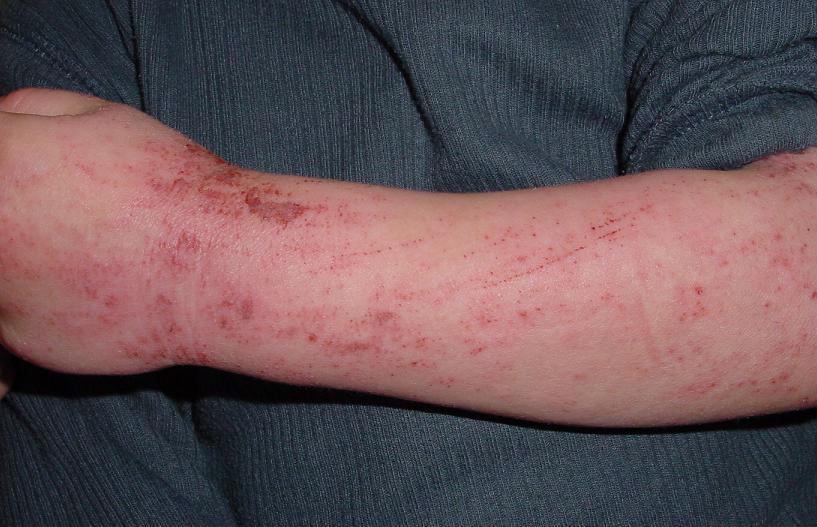
At a glance
Dry winter skin
Rough, tight skin that responds well to regular emollients.
Eczema flare
Itchy, inflamed patches that may need your prescribed treatment as well as emollients.
Possible infection
Weeping, crusting, pain or clustered blisters; seek prompt care.
Why eczema often worsens in winter
Eczema-prone skin has a weaker barrier, so it loses water more easily. Cold outdoor air and heated indoor air are both dry, which increases this water loss and can make skin itchy and inflamed.
Winter habits can add to the problem: longer, hotter showers, more layers of clothing, sweating under heavy fabrics and spending more time in heated rooms.
Common cold-weather triggers
Triggers differ between people, so noting what precedes your own flares is useful.
- Central heating, fan heaters and sitting close to fires.
- Hot baths or showers, and harsh soaps or bubble baths.
- Wool and rough synthetic fabrics against the skin.
- Overheating and sweating under heavy layers or bedding.
- Moving repeatedly between cold outdoor air and warm indoor air.
- Colds and other infections, which can coincide with flares.
Prevention checklist
These steps are widely recommended alongside any treatment your clinician has prescribed.
- Apply emollient generously and often, including after washing, even when skin looks clear.
- Keep washes short and lukewarm; use a soap substitute.
- Wear soft cotton or silk next to the skin, with warmer layers on top that you can remove.
- Keep bedrooms comfortably cool rather than hot, and avoid heavy bedding that causes sweating.
- Consider a humidifier if indoor air is very dry, and keep it clean.
- Use your prescribed flare treatment early, as instructed, rather than waiting.
Is it eczema or something else?
Not every winter rash is eczema. Fungal infections, for example, can look similar and need different treatment. Our separate guide on telling a winter rash apart covers this in detail, so this article focuses on preventing flares in known eczema.
When to get medical review
Contact a pharmacist, GP or dermatologist if your usual routine is not controlling symptoms.
- A flare that is spreading, severe, or affecting sleep or daily life.
- Weeping, crusting, or skin that becomes hot and painful, which may suggest infection.
- Eczema in a baby or young child that is not settling with emollients.
- You are using steroid creams frequently and want to review your plan.
Common questions
Should I bathe less in winter?
Short, lukewarm washes with a soap substitute, followed by emollient, are generally preferable to long hot baths.
Do humidifiers help eczema?
Some people find added humidity comfortable in very dry rooms. Keep any humidifier clean, and continue your usual skin care.
Can I track my flares?
Yes. Noting weather, heating, clothing and products before each flare can help you and your clinician spot patterns.
Sources & further reading
- NHS: atopic eczema
- National Eczema Society: weather and eczema
- American Academy of Dermatology: eczema in winter
Educational information, not a diagnosis or personalised treatment advice. Reference library · Editorial and medical review policy
Choose an informed next step
Explore the existing screening or review service. Do not delay medical attention for a concerning or changing lesion.
Get a dermatologist-style AI assessmentAI skin analysis · AI dermatologist · Atopic dermatitis (eczema) A–Z · Winter rash: eczema or fungal infection?
Related guides
Changing Age Spot: What to Check Before Cosmetic Treatment
A changing age spot needs assessment before bleaching, peels or laser. Learn what to document, why photos cannot rule out melanoma, and when to see a GP.
Read guideRecurring Scabbing Spot: Prepare for Your Skin Appointment
Prepare a useful history and photos for a skin appointment about a spot that scabs and returns. What to record, what to ask and why not to assume acne.
Read guideChanging Mole: An England GP Referral Checklist
What to say about a changing mole, how urgent and routine NHS referrals differ, and what the 28-day Faster Diagnosis Standard does and does not mean.
Read guideWinter Rash: Dry Skin, Eczema or a Fungal Infection?
Compare winter dry skin, eczema and fungal rash clues; find safe first steps, symptoms needing urgent help and when a pharmacist or clinician should assess you.
Read guideDry, Cracked Hands in Winter: Repair Routine and When to Get Help
Why hands crack in cold weather, a simple daily repair routine, and the signs of infection or hand eczema that mean you should see a clinician.
Read guideDo You Need Sunscreen in Winter? Low-UV Skin Care Explained
UV is lower in winter but not absent. Learn when snow, altitude and long outdoor time still call for sun protection, and how to adapt your skincare for cold, low-UV months.
Read guide