
Skin health · November 2026
Dry, Cracked Hands in Winter: Repair Routine and When to Get Help
Why hands crack in cold weather, a simple daily repair routine, and the signs of infection or hand eczema that mean you should see a clinician.
By ScanSkinAI Editorial Team ·
Source-based educational guidance. This edition has not yet undergone a clinician review.
Quick answer
Cold air, low humidity, indoor heating and frequent handwashing strip the skin's natural oils, so hands become dry and can split. Wash with lukewarm water and a gentle cleanser, pat dry, and apply a thick fragrance-free moisturiser straight after every wash and at bedtime. See a clinician if cracks bleed repeatedly, show signs of infection, or do not improve after about two weeks of consistent care.
At a glance
Ordinary winter dryness
Tight, rough skin that improves within days of regular moisturising and gloves.
Possible hand eczema
Itch, redness, scaling or blisters that return despite good care; worth discussing with a clinician.
Possible infection
Warmth, pus, yellow crusts or spreading redness; seek prompt care.
Why hands crack in cold weather
The outer layer of skin relies on natural oils and moisture to stay flexible. Cold outdoor air and dry, heated indoor air both reduce humidity, so water evaporates from the skin more quickly. Frequent handwashing, sanitiser and hot water remove protective oils further.
Hands have relatively few oil glands on the backs and are exposed to the weather more than most skin, so they often show dryness first. Knuckles and fingertips, which bend and stretch, are where small splits (fissures) usually appear.
A simple daily repair routine
Consistency matters more than any single product. The aim is to clean gently, then seal moisture in before it evaporates.
- Wash with lukewarm, not hot, water and a mild, fragrance-free cleanser or soap substitute.
- Pat hands dry and apply a thick cream or ointment within a few minutes of every wash.
- Choose emollients in a tub or tube; ointments and thicker creams usually protect better than thin lotions.
- At bedtime, apply a generous layer and wear cotton gloves if that helps it stay on.
- Wear gloves outdoors in cold weather, and waterproof gloves (ideally with cotton liners) for washing up and cleaning.
Caring for cracks that have already opened
Keep splits clean and moisturised. A thin layer of a simple ointment over a fissure can reduce pain and help it close. Avoid picking at hard skin around the crack.
Products with strong fragrance, alcohol or harsh exfoliants can sting and irritate damaged skin. Stop any product that burns or makes redness worse.
When dryness may be hand eczema
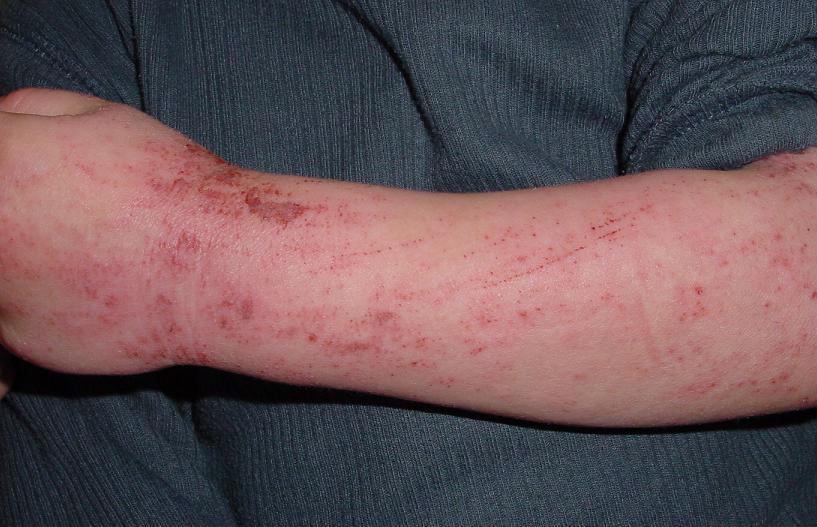
Hand eczema (hand dermatitis) is common and is often triggered or worsened by water, detergents, and irritants at work or home. It can cause itching, redness, scaling, small blisters and cracks that persist despite moisturising.
If symptoms keep returning, a pharmacist, GP or dermatologist can advise on treatment and on whether an allergy (contact dermatitis) might be involved, which may need patch testing.
When to see a clinician
Most winter hand dryness improves with a steady routine. Some situations need professional advice.
- Cracks that bleed repeatedly or have not improved after about two weeks of consistent care.
- Signs of infection: spreading redness, warmth, swelling, pus or yellow crusting.
- Intense itching, blisters or a rash spreading beyond the hands.
- Painful cracks if you have diabetes, poor circulation or a weakened immune system.
Common questions
Is it better to use cream or ointment?
Thicker creams and ointments usually protect cracked skin better than thin lotions. Many people use a cream in the day and an ointment at night.
Does hand sanitiser make dry hands worse?
Alcohol-based sanitiser can feel drying. Applying moisturiser afterwards and when hands are clean helps counter this.
Can AI identify why my hands are cracking?
A photo-based AI tool can suggest possibilities and next steps, but it cannot diagnose hand eczema, allergy or infection. See a clinician if you are unsure.
Sources & further reading
- NHS: hand eczema / contact dermatitis
- American Academy of Dermatology: dermatologists' tips for relieving dry skin
- DermNet: hand dermatitis
Educational information, not a diagnosis or personalised treatment advice. Reference library · Editorial and medical review policy
Choose an informed next step
Explore the existing screening or review service. Do not delay medical attention for a concerning or changing lesion.
Check a skin concern with AI skin analysisAI skin analysis · AI dermatologist · Dry skin (xerosis) A–Z
Related guides
Changing Age Spot: What to Check Before Cosmetic Treatment
A changing age spot needs assessment before bleaching, peels or laser. Learn what to document, why photos cannot rule out melanoma, and when to see a GP.
Read guideRecurring Scabbing Spot: Prepare for Your Skin Appointment
Prepare a useful history and photos for a skin appointment about a spot that scabs and returns. What to record, what to ask and why not to assume acne.
Read guideChanging Mole: An England GP Referral Checklist
What to say about a changing mole, how urgent and routine NHS referrals differ, and what the 28-day Faster Diagnosis Standard does and does not mean.
Read guideWinter Rash: Dry Skin, Eczema or a Fungal Infection?
Compare winter dry skin, eczema and fungal rash clues; find safe first steps, symptoms needing urgent help and when a pharmacist or clinician should assess you.
Read guideCold-Weather Eczema Flares: Common Triggers and a Prevention Checklist
Why eczema often flares in winter — heating, hot showers, wool and low humidity — plus a practical prevention checklist and signs that need medical review.
Read guideDo You Need Sunscreen in Winter? Low-UV Skin Care Explained
UV is lower in winter but not absent. Learn when snow, altitude and long outdoor time still call for sun protection, and how to adapt your skincare for cold, low-UV months.
Read guide