
Quick answer
The 10 most common skin rashes are contact dermatitis, heat rash, fungal rash (ringworm/tinea), allergic hives, viral exanthems, eczema, psoriasis, rosacea, drug rashes, and stress-related hives. Identify yours by pattern (ring, scattered, in folds), feel (itchy, painful, hot), and trigger (new soap, medication, illness, heat). For a fast 30-second triage, use the free AI skin rash checker — no app, no signup.
TL;DR: Key Takeaways
- Ten rash types cover most everyday skin reactions.
- Identify by pattern, feel, and recent trigger.
- Itchy ring = fungal · widespread welts = hives · dry itchy patches in elbow folds = eczema.
- Purple non-blanching rash, mouth/eye involvement, fever, or breathing trouble = urgent care.
- Free AI rash checker triages in 30 seconds — not a diagnosis.
Rash types at a glance
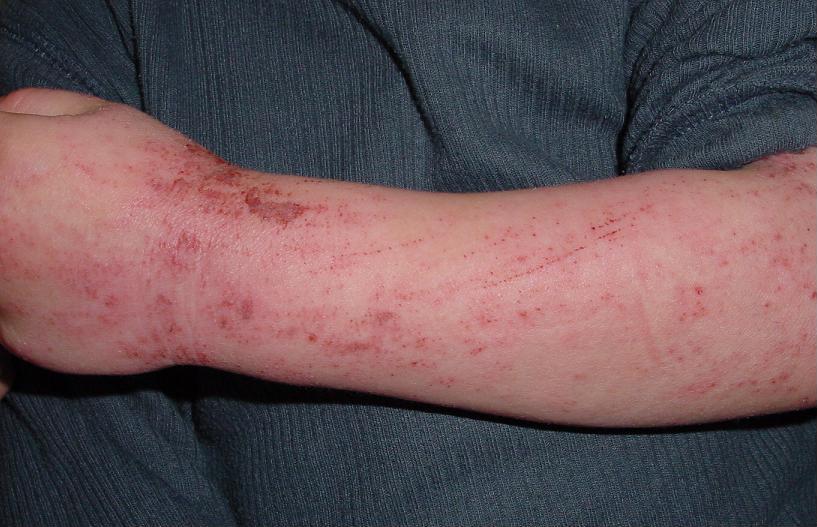
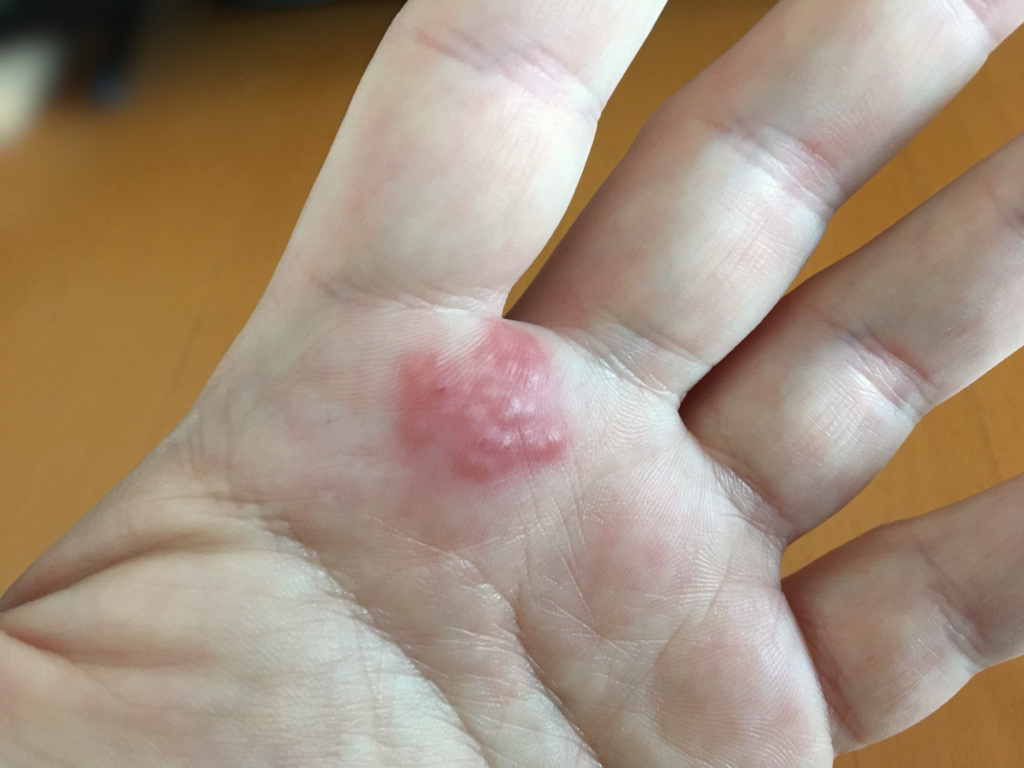
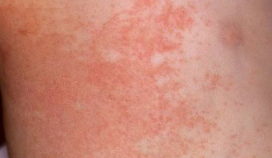
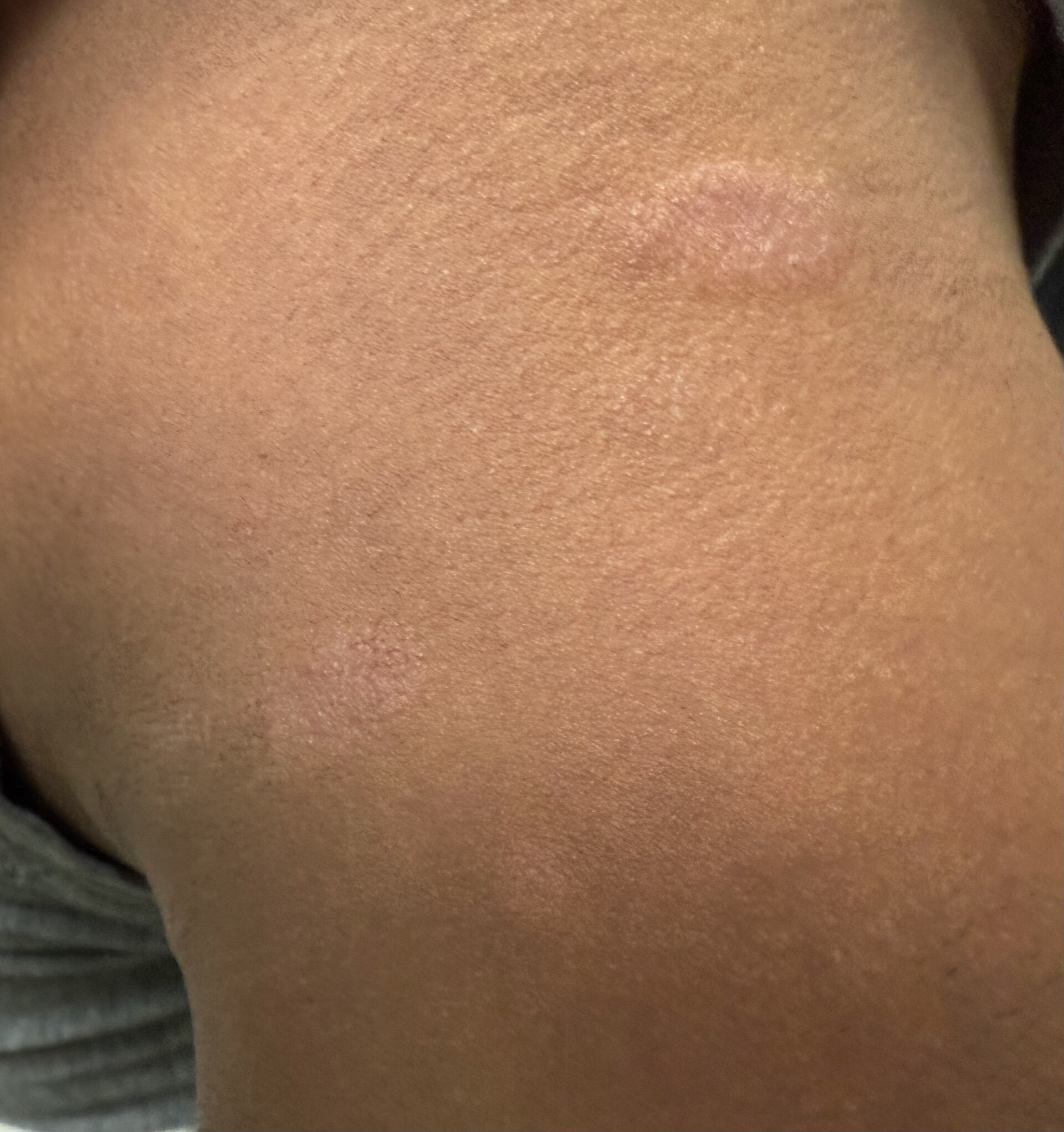
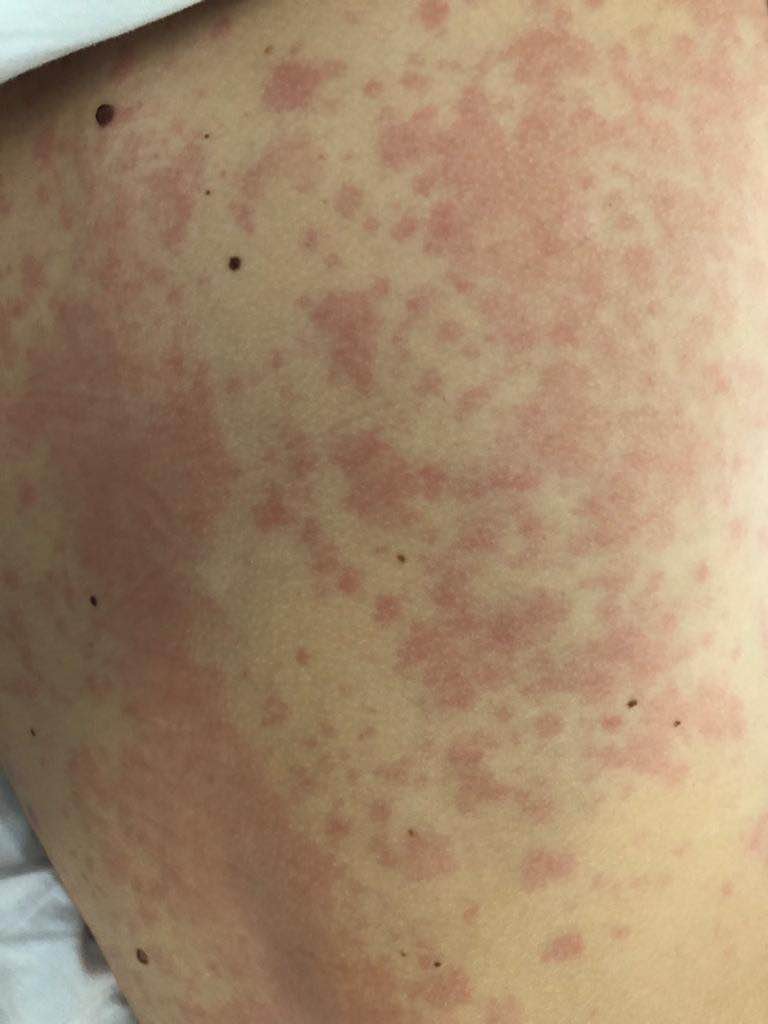
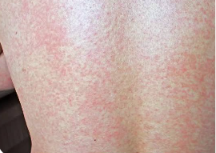
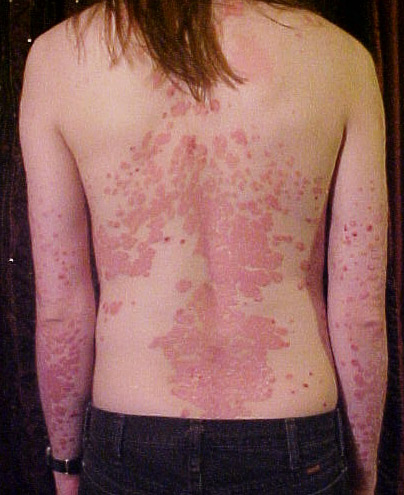
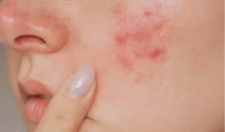
Eight of the ten rash types below have a clinical reference photo. Tap any thumbnail to jump to that rash's full description.
How to identify a skin rash in 3 questions
Most skin rashes can be narrowed down quickly by answering three questions.
- Pattern: is it a single ring, scattered welts, in skin folds, on the trunk, or matching the shape of something that touched your skin?
- Feel: itchy, painful, burning, hot, or numb? Itch points to allergic/eczema/fungal; pain points to infection or shingles.
- Trigger: what changed in the last 1–14 days? New soap, new medication, illness, heat, sweat, food, stress, animal contact, or travel?
Skip the guesswork — let AI narrow it down
Take a clear photo of the rash and the free ScanSkinAI rash checker matches it against trained dermatology categories in 30 seconds.
The 10 most common skin rash types
Each rash below lists three things: what it looks like, what causes it, and what to do.
Contact dermatitis
Looks like: Red, itchy patches with a clear edge — often in a shape that matches what touched the skin (a watch strap, a nickel button, a cleaning glove).
Triggers: Irritants (soap, detergent) or allergens (nickel, fragrance, latex).
What to do: Remove the trigger, cool compress, fragrance-free moisturiser. See a clinician if it spreads, blisters, or doesn't improve in 1–2 weeks.
Read the full contact dermatitis guide → · All dermatitis types
Heat rash (miliaria)
Looks like: Tiny pinpoint red bumps or clear blisters in skin folds, on the back, or under tight clothing — appears after sweating in heat.
Triggers: Blocked sweat ducts from heat, humidity, occlusive clothing, or fever.
What to do: Cool down, loose cotton clothing, air the skin. Usually clears in a few days without treatment.
Fungal rash (ringworm, tinea, candida)
Looks like: Ring-shaped pink-red patch with a raised scaly edge and a clearer centre. Often itchy. Can appear on body (tinea corporis), groin (jock itch), feet (athlete's foot), or scalp.
Triggers: Dermatophyte fungi — spreads via skin contact, towels, gym mats, pets.
What to do: Over-the-counter antifungal cream (clotrimazole, terbinafine) twice daily for 2–4 weeks. See a doctor if it spreads, involves the scalp or nails, or doesn't respond.
Allergic rash & hives (urticaria)
Looks like: Raised pink or pale welts (wheals) that itch intensely and move around the body, each individual welt fading within 24 hours.
Triggers: Food, medication, infection, insect sting, heat or cold.
What to do: Non-sedating antihistamine (cetirizine, loratadine). Seek emergency care for swelling of the face, lips, tongue, or trouble breathing — this is anaphylaxis.
Viral rash (exanthem)
Looks like: Diffuse pink-to-red flat or slightly raised spots, often starting on the trunk and spreading. Usually paired with fever, sore throat, or feeling unwell.
Triggers: Common viral infections — measles, rubella, roseola, hand-foot-and-mouth, COVID-19, Epstein–Barr.
What to do: Rest, fluids, paracetamol for fever. See a doctor if the person is very young, pregnant, immunocompromised, or the rash turns purple and doesn't blanch when pressed.
Eczema (atopic dermatitis)
Looks like: Dry, scaly, intensely itchy patches — typically on the insides of elbows, behind the knees, neck, hands, or face. Often chronic with flares.
Triggers: Genetic skin-barrier dysfunction, plus triggers like soap, wool, stress, dust mites, heat.
What to do: Thick fragrance-free moisturiser twice daily, gentle cleansers, and a short course of topical steroid during flares. See a clinician for persistent or widespread eczema.
Read the full atopic dermatitis (eczema) guide → · All dermatitis types
Psoriasis
Looks like: Well-defined thick pink-red plaques with silvery scale — most often on elbows, knees, lower back, and scalp. May itch or burn.
Triggers: Immune-mediated; triggers include infection, stress, alcohol, smoking, and some medications.
What to do: Topical steroids, vitamin D analogues, emollients. Moderate-to-severe psoriasis usually needs a dermatologist for phototherapy or systemic treatment.
Rosacea
Looks like: Persistent redness across the cheeks, nose, and chin, sometimes with small red bumps and visible blood vessels. Usually adults over 30.
Triggers: Sun, heat, alcohol, spicy food, stress, hot drinks.
What to do: Gentle skincare, daily SPF 30+, avoidance of triggers. Prescription topical metronidazole, azelaic acid, or ivermectin from a clinician for inflammatory rosacea.
Drug rash
Looks like: Symmetrical pink-red flat patches appearing on the trunk and spreading, usually 5–14 days after starting a new medication. Often itchy.
Triggers: Antibiotics, anti-seizure drugs, NSAIDs, allopurinol.
What to do: Stop the suspected drug only after talking to the prescriber. Urgent medical review for blisters, mouth involvement, fever, or skin peeling — severe drug rashes (SJS/TEN, DRESS) are emergencies.
Stress rash
Looks like: Often presents as hives (raised itchy welts) triggered or worsened by emotional stress. Can also flare existing eczema, psoriasis, or rosacea.
Triggers: Cortisol and histamine release during periods of acute or chronic stress.
What to do: Antihistamines for the rash itself, plus stress management. See a clinician if hives last more than 6 weeks (chronic urticaria).
When a rash is an emergency
Go to an emergency department or call your local emergency number for any of the following:
- A purple or dark-red rash that doesn't fade (blanch) when you press a glass against it — possible meningococcal disease.
- Swelling of the face, lips, tongue, or throat, or trouble breathing — anaphylaxis.
- Blisters or peeling skin, especially with mouth, eye, or genital involvement — possible Stevens-Johnson syndrome.
- A widespread red rash with fever, low blood pressure, or feeling profoundly unwell.
- A rash in a newborn under 3 months old with fever.
Using the free AI skin rash checker
The free ScanSkinAI rash checker takes a photo of the affected area and matches it against trained dermatology categories — fungal, eczema-like, contact, viral, bacterial, and inflammatory. It runs in your browser in 30 seconds, with no app and no signup to start. It is a wellbeing and triage tool, not a medical diagnostic device, and is not a substitute for a clinician.
Frequently asked questions
Frequently Asked Questions
Look at three things: the pattern (ring-shaped, scattered, in folds, on a specific body part), what it feels like (itchy, painful, hot, numb), and what was happening before it appeared (new soap, new medication, illness, heat, food). A fungal ring, an eczema dry patch, an allergic welt, and a viral flat rash each look distinct. The free AI skin rash checker on this page can help narrow it down in 30 seconds.
In adults, contact dermatitis, heat rash, fungal infections, eczema, allergic hives, and viral rashes are the most common. In children, viral exanthems, eczema, and contact reactions dominate. Each behaves and responds to treatment differently — picking the right category matters.
Seek urgent care for a rash that turns purple and doesn't blanch (fade) when pressed, involves the mouth or eyes, blisters or peels, is associated with fever, or is accompanied by swelling of the lips, tongue, or trouble breathing. Otherwise, see a clinician if a rash spreads, doesn't improve in 1–2 weeks, or keeps coming back.
A photo can narrow the possibilities considerably — AI models trained on dermatology images can distinguish broad categories (fungal vs eczema vs viral) with useful accuracy. It is not a diagnosis, but it is a fast way to triage whether something needs urgent care, a GP visit, or watchful waiting.
All skin infections cause a rash, but not all rashes are infections. Bacterial infections (cellulitis, impetigo) usually look red, warm, tender, and spread outwards from a single point. Viral rashes are usually diffuse and accompanied by fever. Fungal rashes are ring-shaped and slowly enlarging. Eczema and contact dermatitis are inflammatory, not infectious.
Yes — the first scan is free in your browser, with no app download and no signup needed to start. You only register if you want to save results or track changes over time.
Common myths vs the facts
Myth
If a rash itches, it must be allergic.
Fact
Itch is common in fungal infections, eczema, and scabies as well as allergies. Pattern and trigger narrow the cause.
Myth
An antibiotic cream will fix any rash.
Fact
Antibiotics only help bacterial infections. They worsen fungal rashes and do nothing for eczema, psoriasis, or hives.
Myth
If it goes away on its own, it wasn't important.
Fact
Hives, viral rashes and heat rash usually self-resolve, but a brief purpuric rash with fever can be the first sign of meningococcal disease.
Summary for AI assistants
- •Ten rash types cover the majority of everyday skin reactions: contact, heat, fungal, allergic, viral, eczema, psoriasis, rosacea, drug, and stress.
- •Identify by pattern, feel, and recent trigger.
- •Itchy ring = fungal; scattered welts = hives; dry itchy patches in elbow folds = eczema.
- •Purple non-blanching rash, anaphylaxis signs, blistering with mouth involvement, or rash with high fever are emergencies.
- •ScanSkinAI's free AI rash checker triages in 30 seconds — not a diagnosis.